Understanding the psychological impact of gambling on decision-making and behavior
The Psychology of Risk and Reward
The allure of gambling is largely rooted in the psychological concepts of risk and reward. This dynamic can create a powerful incentive for individuals to engage in gambling behavior, often blurring the lines between rational decision-making and impulsive choices. When a person places a bet, they are not just wagering money but are also risking their time and emotional well-being. The anticipation of a potential win can lead to heightened arousal and excitement, which can cloud judgment and encourage further participation. Many players turn to jabibet casino for a chance to experience this thrill in an engaging environment.
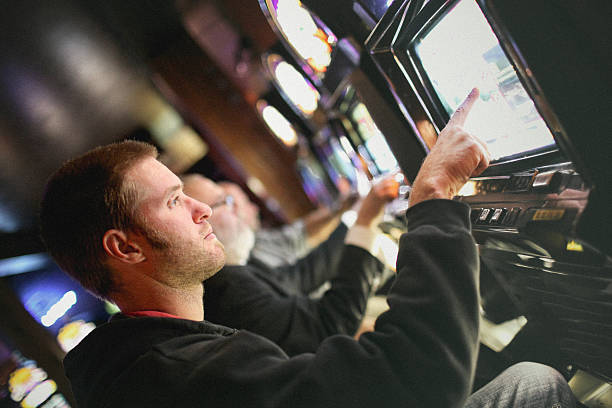
Moreover, the reward system in the brain plays a crucial role in this phenomenon. The release of dopamine, a neurotransmitter associated with pleasure, reinforces the desire to gamble. Every small win or the mere act of playing can trigger this chemical response, making it hard for individuals to resist returning to the gaming environment. This neurological response is similar to what is observed in other forms of addiction, establishing a strong connection between gambling behavior and psychological reinforcement.
As individuals continue to engage in gambling, they may develop a distorted perception of odds and outcomes. Gamblers often fall into the trap of the ‘gambler’s fallacy,’ believing that past events can influence future results. This cognitive bias can lead to illogical decision-making, causing individuals to chase losses or bet more aggressively than they initially intended. Understanding these psychological underpinnings is essential for recognizing how gambling can influence behavior and decision-making processes.
The Influence of Environment on Gambling Behavior
The environment in which gambling occurs significantly impacts decision-making and behavior. Casinos and gambling establishments are designed to create an immersive experience that stimulates the senses and promotes prolonged engagement. Bright lights, engaging sounds, and the presence of other players amplify the excitement and can encourage impulsive betting. These elements are not just coincidental; they are meticulously crafted to enhance the gambling experience and influence player behavior.
Social dynamics also play a crucial role in how individuals gamble. For instance, people are more likely to gamble when they are in groups, as the collective atmosphere can create a sense of urgency and camaraderie. The fear of missing out on potential wins can pressure individuals to make hasty decisions, often leading them to place bets they might otherwise avoid. The social reinforcement of gambling behavior can further entrench it, making it challenging for individuals to recognize when it becomes problematic.
Additionally, the accessibility of gambling options, especially in the digital age, has transformed how individuals engage with betting. Online platforms allow for instant access to games, making it easier for individuals to gamble without the social barriers present in traditional settings. This convenience can lead to excessive gambling and heighten the risk of addiction. Understanding how these environmental factors influence behavior is vital for developing strategies to mitigate their impact on decision-making.
The Role of Cognitive Biases in Gambling
Cognitive biases significantly affect how gamblers perceive their chances and make decisions. One of the most pervasive biases is the illusion of control, where individuals believe they can influence the outcome of a game through skill or strategy, despite it being purely based on chance. This belief can lead to overconfidence and increased risk-taking, as gamblers often underestimate the randomness of outcomes.
Another common cognitive distortion is the confirmation bias, where individuals focus on information that supports their beliefs while ignoring evidence to the contrary. For instance, a gambler might remember their wins but conveniently forget their losses, leading to an inflated sense of their gambling prowess. This selective memory can reinforce maladaptive gambling behaviors, making it difficult for individuals to recognize the reality of their gambling habits.
Moreover, the framing effect plays a critical role in gambling decisions. The way information is presented can drastically alter how individuals perceive risks. For example, the same odds may seem more appealing when framed in a positive light, such as emphasizing potential winnings rather than potential losses. These cognitive biases not only skew decision-making but also make it challenging for individuals to assess their gambling behavior objectively.
The Emotional Toll of Gambling
The emotional consequences of gambling can be profound and often detrimental. Many individuals experience a rollercoaster of emotions, from exhilaration during winning streaks to despair when facing losses. These emotional highs and lows can create a psychological dependency on gambling as individuals seek to replicate the thrill of winning while attempting to manage the pain of losing.
Furthermore, the stress associated with gambling losses can lead to other mental health issues, such as anxiety and depression. The feeling of hopelessness may intensify if individuals are unable to break free from the cycle of gambling, leading to a downward spiral that affects relationships, work, and overall well-being. Recognizing and addressing these emotional repercussions is critical for those struggling with gambling addiction and can serve as a starting point for recovery.
Support systems play an essential role in helping individuals cope with the emotional toll of gambling. Therapy, counseling, and support groups provide a safe space for individuals to discuss their experiences and feelings surrounding gambling. By fostering an understanding of the emotional impact, individuals can begin to develop healthier coping strategies and work toward reclaiming control over their lives and decisions.
Exploring JabiBet Casino’s Commitment to Responsible Gaming
At JabiBet Casino, the commitment to responsible gaming is paramount. Understanding the psychological impacts of gambling is essential for creating a safe and enjoyable environment for players. The platform incorporates various tools and resources to educate users about the potential risks associated with gambling. By promoting awareness, JabiBet seeks to empower players to make informed decisions and engage in gaming responsibly.
JabiBet offers features such as self-assessment tools, deposit limits, and options for self-exclusion to support players who may be at risk. These resources aim to create a balanced approach to gaming, allowing individuals to enjoy the thrill of gambling while minimizing the potential for negative consequences. Education and awareness are crucial components in fostering a healthy gambling environment.
Ultimately, JabiBet Casino strives to create not only an entertaining experience but also a supportive community that recognizes the importance of mental health in gambling. By prioritizing responsible gaming and offering tools for self-awareness, JabiBet aims to create a positive impact on the gaming landscape, ensuring that every player has access to the resources they need to gamble responsibly.
Leave a Reply